
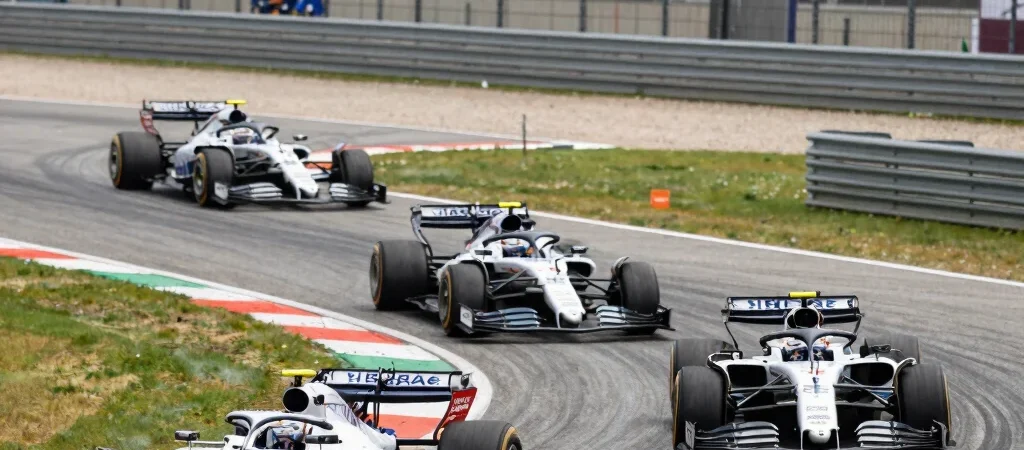
A Formula 1 timing screen can make a race look simple: position, lap, gap. But a car running behind may be saving its tires, waiting for a pit window, or trying to stay close enough to challenge. The order matters, but so does the reason it is changing—or holding.
Position is not the whole picture
The gap between cars helps show whether a driver is closing in or losing ground, but it does not explain the cause on its own. Traffic, tire wear, and a car’s pace over several laps all add context. A single timing update is a snapshot; a sequence is more revealing.
Pit stops reshape the order
When a driver pits, their displayed position can drop while rivals remain on track. That does not necessarily settle where they will be once those rivals stop, so look for the difference between the current running order and the likely order after pit stops. Strategy is also track-dependent: the same decision can carry different risks at different circuits.
Follow the race, not just the screen
Useful live coverage connects timing changes to what is happening on track and flags what remains uncertain. If a gap narrows, check whether it has done so consistently; if positions change, find out whether the move came on track or through a stop. That is how the numbers become a race story.